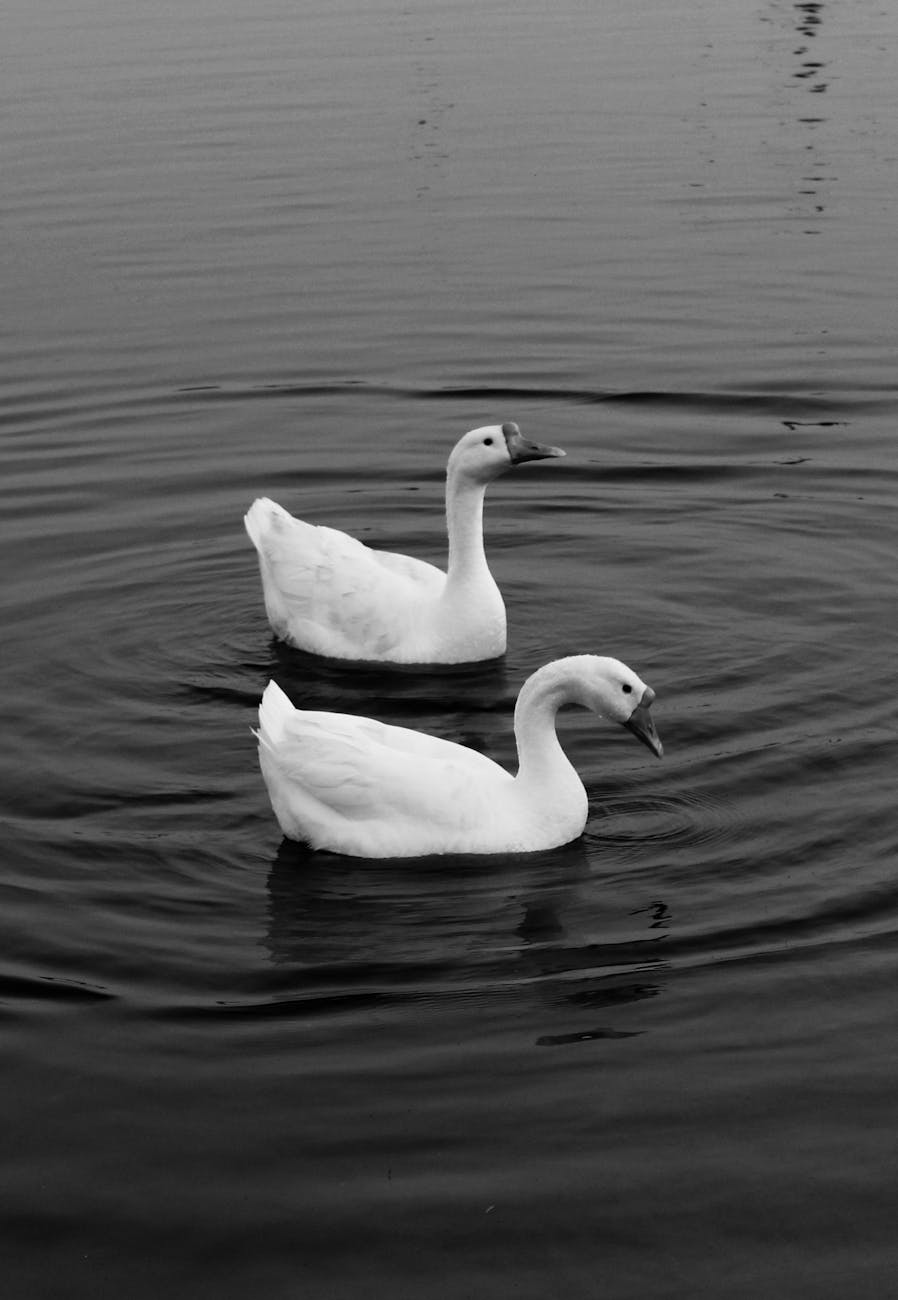
Recently, I noticed that an inseparable pair of mute swans in a nearby pond stopped swimming together. One of the swans took shelter at the edge of the pond and the other one patrolled the water. The patrolling swan was also chasing away the Canada geese aggressively, while showing no reaction to the presence of Mallards. This was not the first time I tried understanding nature in my own naïve way. However, it took me years to start noticing the plants, birds, and animals around me again. As a kid, I remember accompanying my father to the nearby forest reserve for mini adventures, like climbing trees, climbing mounds and even crossing a tiny brook. I remember listening to the sounds of birds and animals and wondering what they must be trying to communicate. Stories by authors like Ruskin Bond and Rudyard Kipling that I read then also kept the wonders of nature close to me in their own way. Nature used to wonder me then but as I grew older and started living the busy city life, I lost touch with nature, sounds, and sight of nature, almost everything.
Up until recently, I happen to join a wildlife exploring walk organized by a local environmental conservation group. I was not sure what to expect at first. I went there with a lot of doubts about my own capabilities of understanding the long-lost love for nature. As we embarked upon the trek the guides kept pointing at the wonderful forest growth, like fungi, lichen, flowering buds, birds, fireflies, slime molds and such, and it was then that all the past memories came flooding. Déjà vu. The group composed of experienced environment specialists, birders, and all sorts of what we call ‘geeks’, in a good way. I was so intrigued and inspired. A simple walk in nature made me want more. So, next time when I went to the pond nearby, I started noticing the nature more and more. It made me wonder again.
April-July is mute swans mating and nesting season, along with many other species. What I saw at the pond was a typical couple behavior during nesting when the female swan (pen) takes shelter at a secure spot in their habitat and the male (cob) starts patrolling the area for any threats. Since, Canada geese are more aggressive food and space competitors of mute swans, the male trying to chase them away, makes sense. I also learned that the beautiful arch shape that the swan makes with its inner wings, is not about love at all. The swan is just trying to scare its enemies away, a defense or a fight position. And well, these ‘mute’ swans are not at all mute, as they are perfectly capable of grunting and hissing.
My only takeaway from this experience is that nature is your best friend and the best teacher. Embrace nature and a pandora of knowledge will open up for you to explore. Well, now you all know where to find me if I am ever out of network!
- Lowes, L. O. T. (2020, April 20). Everything you need to know about mute swans. Scottish Wildlife Trust. https://scottishwildlifetrust.org.uk/2020/04/mute-swans/
- Earthwise aware. (n.d.). https://www.earthwiseaware.org/
- Night of the leopard (Antelope books). (n.d.). PaperBackSwap.com. https://www.paperbackswap.com/Night-Leopard-Ruskin-Bond/book/0241102316/
- Wikipedia contributors. (2025, February 25). The Jungle Book. Wikipedia. https://en.wikipedia.org/wiki/The_Jungle_Book


 Room Writer
Leave a reply to D C Sharma Cancel reply